Effective Project Management
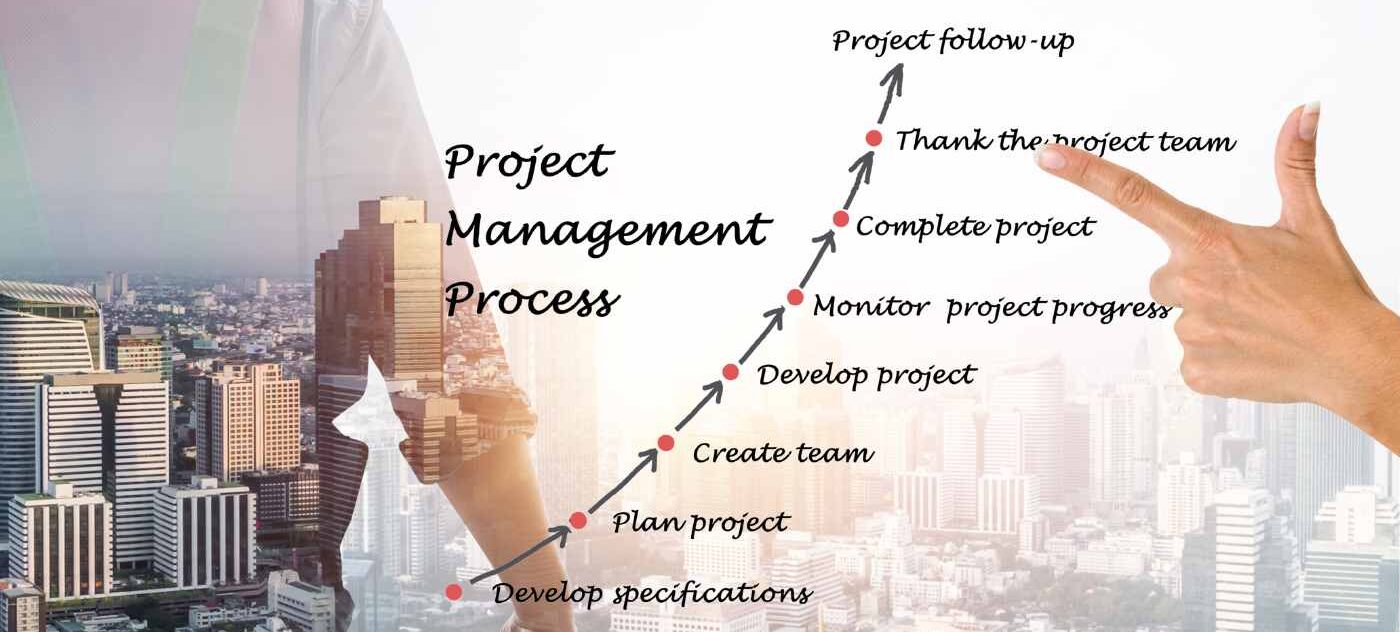
Effective project management is the backbone of every successful organization. Whether you are driving a small internal initiative or managing a large cross-functional project, the right processes help you stay organized, prevent costly mistakes, and deliver predictable outcomes. By implementing structured and consistent project management practices, organizations can achieve better alignment, smoother execution, and higher stakeholder satisfaction.

Below are 8 essential project management processes that significantly enhance project performance.
1. Clearly Define the Project
Every successful project begins with a clear, well-structured definition. This includes establishing:
- Project objectives
- Scope and deliverables
- Key stakeholders
- Expected outcomes
- Constraints and assumptions
A well-defined project answers “What are we trying to achieve and why?”
This early clarity creates alignment across managers, clients, and team members, minimizing confusion and unnecessary rework down the road.
Reference: PMBOK® Guide – Project Integration Management emphasizes strong project initiation and chartering.
2. Invest in Detailed Planning
Once the project is defined, break it into manageable tasks and milestones. A detailed project plan should include:
- Work Breakdown Structure (WBS)
- Timelines and milestones
- Resource allocation and responsibility assignment
- Dependencies between tasks
Good planning sets realistic expectations and ensures everyone knows what they need to do and when.
Reference: Project Management Institute (PMI) recommends detailed planning as a key part of the Planning Process Group.
3. Identify and Manage Risks Early
Risk management helps you anticipate potential problems before they affect the project. This includes:
- Listing possible risks
- Assessing probability and impact
- Prioritizing risks using tools like a risk matrix
- Preparing mitigation and contingency plans
Proactive risk management increases project resilience and reduces the likelihood of schedule delays or budget overruns.
Reference: ISO 31000 – International Standard for Risk Management.

4. Maintain Strong Scope Management
Scope management ensures the project stays aligned with originally approved goals. This involves:
- Defining what is in and out of scope
- Establishing a change control system
- Tracking all change requests
- Preventing unplanned work (scope creep)
Without scope control, projects often drift, leading to missed deadlines and increased costs.
Reference: PMI PMBOK® — Project Scope Management processes.
5. Implement Effective Issue and Change Management
Every project encounters issues and change requests. What matters is how efficiently they are handled.
Key components include:
- Issue logging and prioritization
- Structured change approval workflow
- Timely communication of impacts
- Regular review of pending change requests
This structured approach ensures that changes do not disrupt planned activities or derail the project.
Reference: ITIL® Change Management Practices for structured change handling.
6. Strengthen Communication and Documentation
Communication is often cited as the #1 reason projects succeed or fail. Build a strong communication plan that outlines:
- What information will be shared
- With whom
- Through which channels
- How often
Consistent communication helps keep all stakeholders aligned and prevents misunderstandings.
Equally important is documentation — maintaining meeting notes, decisions, requirements, and changes. These records create transparency and act as a reliable audit trail.
Reference: PMI Pulse of the Profession Report states poor communication leads to project failure in one-third of projects.
7. Set and Maintain Quality Standards
Quality assurance ensures the project deliverables meet organizational, regulatory, and client expectations. This includes:
- Defining quality criteria
- Conducting regular reviews and inspections
- Implementing corrective actions
- Applying continuous improvement methods
Strong quality management helps avoid rework, ensures consistency, and enhances customer satisfaction.
Reference: ISO 9001 – Quality Management System Standards.
8. Track Data and Use Analytics for Decision-Making
Modern project management goes beyond intuition — it is driven by data. Valuable project metrics include:
- Schedule performance (SPI)
- Cost performance (CPI)
- Resource utilization
- Risk trends
- Issue closure rates
Regular analysis allows project managers to identify deviations early, make smarter decisions, and improve future project planning.
Reference: Gartner Research highlights that data-driven project management improves success rates by up to 28%.

Key Takeaways
✔ Streamlined Workflows
Applying structured processes improves clarity and helps teams execute work more effectively.
✔ Improved Accountability
Defined roles and responsibilities create ownership and reduce ambiguity.
✔ Strong Risk Control
Proactive identification and planning reduce project disruptions.
✔ Better Scope Discipline
Keeping scope in check prevents cost and time overruns.
✔ Transparent Communication
A strong communication plan fosters alignment and avoids misunderstandings.
✔ Consistent Quality
Quality standards ensure deliverables meet expectations.
✔ Smarter Decisions Through Data
Data-backed insights support continuous improvement and better project forecasting.
Conclusion
By adopting these eight essential processes, organizations can significantly enhance their project outcomes. Effective project management doesn’t happen by chance — it is the result of structured planning, disciplined execution, and proactive decision-making. When done right, it leads to better performance, happier stakeholders, and long-term organizational success.
References
- PMI – Project Management Body of Knowledge (PMBOK® Guide)
https://www.pmi.org/pmbok-guide-standards - ISO 31000 – Risk Management Guidelines
https://www.iso.org/iso-31000-risk-management.html - ISO 9001 – Quality Management Systems
https://www.iso.org/iso-9001-quality-management.html - ITIL Change Management
https://www.axelos.com/best-practice-solutions/itil - PMI Pulse of the Profession Report (Communication impact)
https://www.pmi.org/learning/thought-leadership/pulse - Gartner Research – Data-Driven Project Management
https://www.gartner.com/en
Interesting article to read: Project Manager – Good 32 Habits