Project management leadership is a critical component of successful project execution and organizational growth, for project managers stepping into leadership roles or those already leading complex projects, understanding and embodying the skills that senior management trusts can make the difference between project success and failure. These skills affect how projects are prioritized, resources allocated, and how PM decision-making influences overall company objectives. This article dives deep into the must-have skills that distinguish project management leaders trusted by senior management, and how embracing these abilities can elevate project outcomes and foster organizational confidence.
Understanding Senior Management Expectations in Project Management Leadership
Senior management expectations often shape and define the parameters within which project managers operate. Project management leadership isn’t just about managing timelines and budgets; it’s about aligning project goals with strategic business objectives, managing risks proactively, communicating effectively, and leading diverse teams toward shared success.
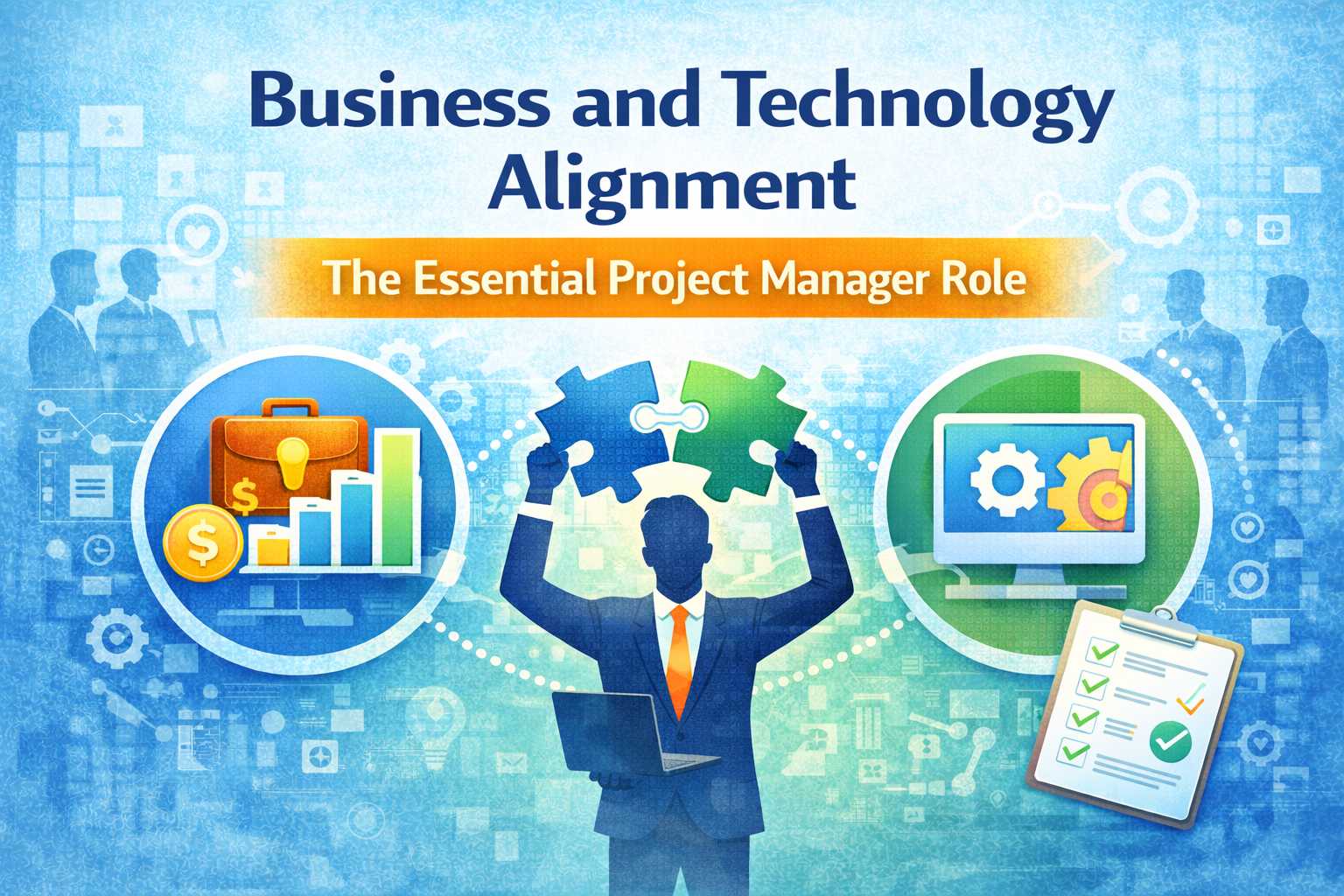
Strategic Alignment and Business Acumen
One of the foremost expectations senior management holds is that project managers think beyond the confines of project plans and schedules. They expect leaders to maintain a clear line of sight into how the project supports broader business goals. Project management leadership requires a strong grasp of business acumen. Leaders must understand market dynamics, customer needs, and competitive pressures to make informed decisions that prioritize initiatives bringing maximum business value.
By demonstrating strategic alignment, project managers earn the confidence of senior executives, showing that their projects are not isolated technical endeavors but vital components of business growth.
Transparent and Effective Communication
Communication lies at the heart of project management leadership. Senior management expects regular updates that are clear, concise, and free from jargon, enabling them to make timely and informed decisions. This includes not only success reports but also transparent risk assessments, budget concerns, and potential delays.
Effective communication is a two-way street; trusted project leaders know how to listen actively to stakeholder concerns and feedback, ensuring that issues are addressed early and solutions are collaboratively developed. This skill fosters trust and openness, essential for executive support.
pm Decision Making: A Core Competency of Trusted Project Leaders
Decision-making in project management is often complex due to competing priorities, limited resources, and uncertain circumstances. Senior management entrusts project leaders who exhibit sound judgment, swift action, and a balanced approach to risk and opportunity.
Making Data-Driven Decisions
Project management leadership today heavily relies on data-driven insights. Leaders trusted by senior executives use metrics, KPIs, and predictive analytics to underpin their decisions. This reduces bias and emotional reactions, allowing project managers to choose paths that optimize outcomes.
For example, if a risk register indicates a high probability of supplier delays, a project leader proactively adjusts schedules or sources alternative vendors rather than waiting for problems to materialize. This proactive mindset, rooted in data awareness, is highly valued by senior management.
Balancing Risk and Reward
Senior management does not expect project managers to avoid all risks—that would be unrealistic. Instead, they look for leaders who can thoughtfully weigh risks against potential rewards and make informed decisions on how much risk is acceptable.
Trusted leaders develop contingency plans, negotiate risk-sharing agreements, and invest in risk mitigation strategies. This calculated approach to risk management helps minimize surprises and keeps projects on track, reinforcing executive confidence.
Encouraging Collaborative Decision-Making
While pm decision-making requires authority, the best project leaders balance their own judgment with inputs from their teams and stakeholders. Senior management appreciates leaders who foster a culture of collaboration, tapping into the collective expertise to improve outcomes.
For instance, facilitating regular brainstorming sessions during critical project phases not only yields innovative ideas but also strengthens team commitment. Leaders who can harmonize diverse perspectives while maintaining decisive control earn respect and trust.
Essential Skills in Project Management Leadership Trusted by Senior Management
Beyond decision making and understanding expectations, certain competencies consistently set apart project management leaders who command senior management’s trust. Here are essential skills to develop and refine:
1. Emotional Intelligence (EQ)
Emotional intelligence—the ability to recognize, understand, and manage emotions—plays a pivotal role in project leadership. Leaders with high EQ demonstrate empathy, self-awareness, and social skills that help resolve conflicts, motivate teams, and foster productive relationships.
Senior managers trust leaders who can remain composed under pressure, empathize with stakeholders, and maintain morale during challenges.
2. Influencing and Negotiation Skills
Projects often involve diverse stakeholder interests and competing agendas. Trusted project leaders excel at influencing decisions without direct authority and negotiating compromises that serve the project’s best interests.
For example, persuading a resource manager to allocate additional staff or negotiating a deadline extension with clients requires tact, diplomacy, and a clear articulation of the benefits.
3. Adaptability and Resilience
The project landscape is rarely static. Market shifts, sudden scope changes, or unforeseen challenges demand flexibility. Senior management relies on leaders who can pivot quickly, reassess plans, and maintain momentum despite setbacks.
Resilience—the capacity to recover from difficulties—and adaptability demonstrate leadership maturity, easing senior management concerns amid uncertainty.
4. Time Management and Prioritization
Effective prioritization ensures that project teams focus on high-impact tasks and deliverables aligned with critical deadlines. Senior management expects project leaders to manage their time and the team’s efforts efficiently, avoiding unnecessary delays or scope creep.
Proficiency in time management tools, delegation, and prioritization frameworks showcases leadership capability and respect for organizational resources.
5. Technical Competence and Continuous Learning
While leadership focuses on people and strategy, technical competence remains important for credibility. Senior management trusts project leaders who understand the technical nuances of their projects and can engage knowledgeably with subject matter experts.
Furthermore, a commitment to continuous learning signals adaptability and a forward-thinking mindset, strengthening leadership appeal.
Building Trust Through Accountability and Results
Ultimately, senior management trust is earned through a consistent track record of delivering results while owning accountability. Project management leadership is about stepping up to challenges, taking responsibility for outcomes, and learning from mistakes to improve.
Measurement and Reporting: Demonstrating Accountability
Trusted project leaders establish clear success criteria and monitor progress closely. Transparent reporting mechanisms that highlight achievements and expose risks early create a culture of accountability and trust.
By using dashboards and regular status meetings, leaders keep senior management informed and engaged without overwhelming them with unnecessary detail.
Leading by Example
Senior management respects leaders who model the behaviors and standards they expect from their teams—whether it’s commitment, integrity, or open communication. Leading by example fosters a positive team culture that supports project success.
Building Strong Relationships with Stakeholders
Relationship management is a cornerstone of project leadership. Leaders who cultivate strong, respectful, and collaborative relationships with internal and external stakeholders facilitate smoother project execution and quicker issue resolution.
Senior executives trust leaders who understand stakeholder needs and expectations, promoting alignment and partnership.
Leveraging Technology to Enhance Project Management Leadership
In an increasingly digital world, project management leadership also involves leveraging technology to improve decision making and project execution.
Project Management Software and Tools
Modern tools provide project leaders with real-time visibility into project status, resource allocation, and risk factors. Leaders trusted by senior management harness these systems for accurate data and streamlined workflows.
Communication Platforms
Effective leadership demands seamless communication. Utilizing platforms that support collaboration, instant updates, and documentation ensures that teams remain connected and informed.
Data Analytics for Predictive Insights
Advanced analytics empower leaders to forecast trends, identify bottlenecks, and optimize resource use. Senior management appreciates leaders who utilize these technologies to anticipate issues before they become critical.
Conclusion: Elevating Project Management Leadership to Meet Senior Management Expectations
Project management leadership involves multifaceted competencies that go beyond managing tasks—they embody strategic thinking, exceptional communication, wise pm decision making, and emotional intelligence. Senior management trusts project leaders who demonstrate these skills consistently and deliver measurable results that align with corporate objectives.
By cultivating strategic alignment, mastering decision making, fostering collaboration, embracing adaptability, and leveraging technology, project managers can elevate their leadership impact. This builds a bridge of trust with senior management, paving the way for greater support, visibility, and successful project outcomes.
For project leaders aiming to advance their careers, investing in these must-have skills is not just beneficial—it is essential for gaining senior management’s trust and driving projects that truly make a difference.
Learn more about Project Management. connect with us