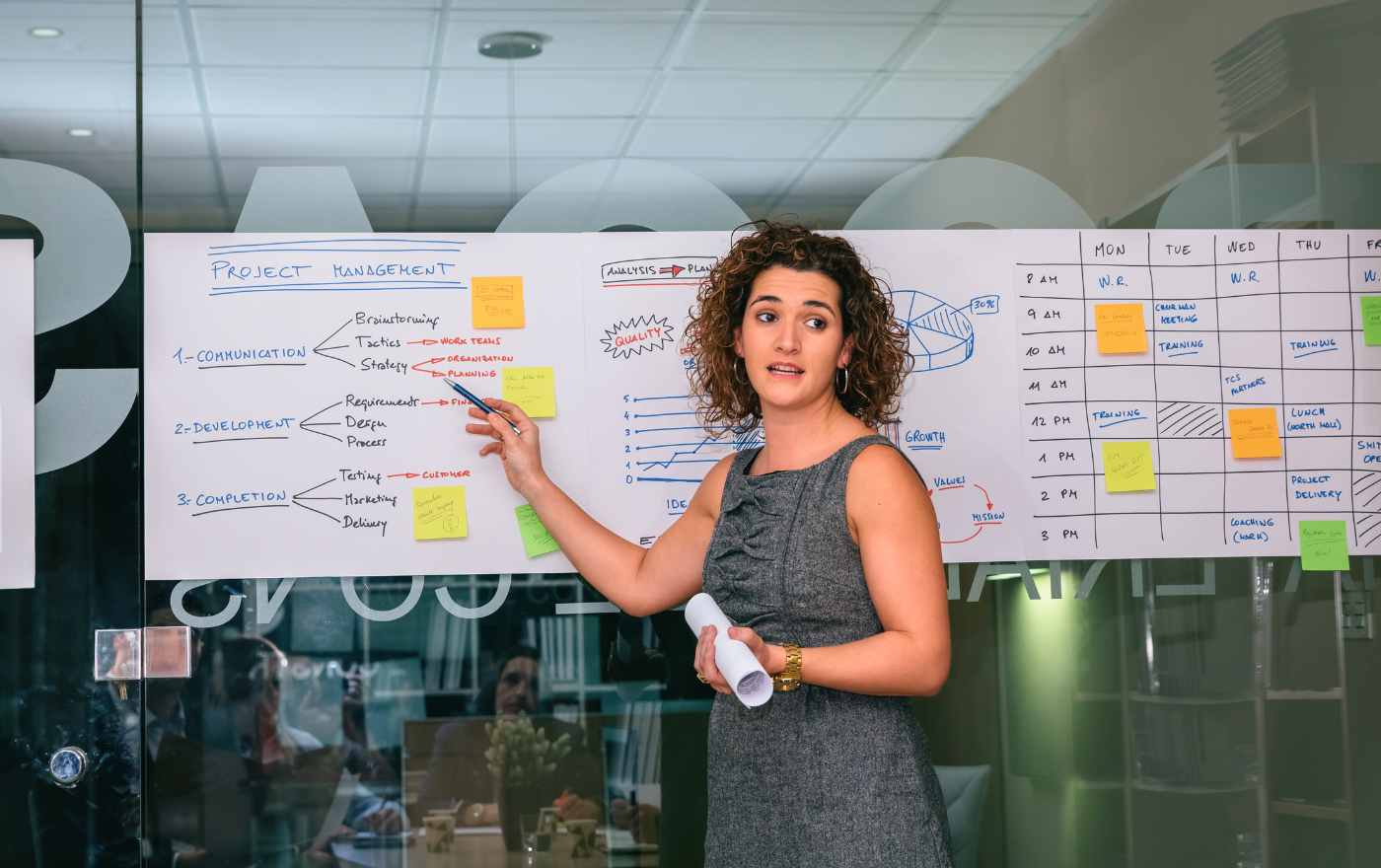
Navigating the dynamic world of web development is challenging enough, but when you add the complexities of managing a team of freelancers, the task can feel overwhelming. Picture this: you’re tasked with delivering a high-stakes web project, but your team is scattered across different time zones, each member bringing their unique workflow, communication style, and expertise to the table. The clock is ticking, and the pressure is on. Successfully managing freelancers in a web development project requires not just technical know-how but also the ability to juggle expectations, personalities, and deadlines.
In today’s gig economy, more organizations are relying on freelance talent to bring their web projects to life. But how do you ensure cohesion and productivity in such a fluid environment? With over 57 million freelancers in the U.S. alone, according to a recent study, the potential for innovation is vast, yet the challenges are equally formidable. It’s a delicate dance of fostering collaboration while respecting each freelancer’s autonomy. In this guide, we’ll unravel the strategies that can transform chaos into creativity and drive your project toward success.
Understanding the Gig Economy and Freelancer Dynamics
The gig economy has revolutionized the way businesses operate, especially in industries like web development, where freelancers play a crucial role. Understanding the dynamics of freelancers in a web development project is essential for effectively managing them.
In a web development project, managing freelancers requires a combination of clear communication, project planning, and a deep understanding of each freelancer’s skills and strengths. By acknowledging the unique expertise that freelancers bring to the table, project managers can optimize project outcomes.
Freelancer dynamics in a web development project often involve remote work, flexible schedules, and diverse skill sets. It’s important for project managers to create a supportive virtual environment that fosters collaboration and encourages freelancers to excel in their respective roles.
Effective communication is key when managing freelancers in a web development project. Regular check-ins, feedback sessions, and project updates help ensure that everyone is aligned on project goals and timelines. Utilizing project management tools and platforms can streamline communication and enhance project efficiency.
Project planning plays a significant role in the successful management of freelancers. Clearly defining project milestones, deliverables, and expectations from the outset helps freelancers understand their role in the project and empowers them to deliver quality work within the specified timeline.
Skill assessment is another crucial aspect of managing freelancers in a web development project. Understanding the strengths and weaknesses of each freelancer allows project managers to assign tasks that align with their expertise, leading to optimized project performance and results.
In conclusion, navigating the gig economy and freelancer dynamics in a web development project requires a strategic approach that prioritizes clear communication, effective project planning, and a deep understanding of each freelancer’s skills and capabilities. By embracing the unique contributions of freelancers and fostering a collaborative work environment, project managers can successfully manage freelancers to deliver outstanding results in web development projects.
Setting Clear Expectations and Outlining Project Scope
When it comes to Managing Freelancers in A Web Development Project, one of the key aspects to ensure the success of the project is Setting Clear Expectations and Outlining Project Scope. This foundational step is crucial for aligning all team members, including freelancers, towards a common goal.
Setting Clear Expectations is the cornerstone of effective project management. It involves clearly defining roles, responsibilities, objectives, and deliverables for each freelancer involved in the web development project. By doing so, you establish a framework that guides the freelancers on what is expected of them, thereby minimizing misunderstandings and potential conflicts down the line.
Outlining Project Scope is equally vital as it helps in delineating the boundaries of the project, detailing what is included and excluded from the project deliverables. By clearly defining the project scope, freelancers understand the extent of their work, the resources available to them, and the timeline within which they are expected to deliver their outputs.
Moreover, a well-defined project scope serves as a reference point throughout the project, enabling freelancers to stay focused on their tasks and preventing unnecessary scope creep that can derail the project timeline and budget.
Incorporating Regular Check-Ins as part of the project management process ensures that freelancers are on track with their assignments and allows for any adjustments to be made promptly. These check-ins provide an opportunity to address any issues or concerns that freelancers may have, fostering transparent communication and a collaborative working environment.
By Setting Clear Expectations and Outlining Project Scope at the onset of the web development project, you establish a solid foundation for effective freelancer management. This practice not only enhances project efficiency but also cultivates a sense of accountability and ownership among freelancers, ultimately leading to a successful project outcome.
Establishing Effective Communication Channels
To establish effective communication channels when managing freelancers in a web development project, you need to implement clear strategies right from the start.
- Clear Project Scope: Define the project scope clearly to freelancers. Ensure they understand the deliverables, timelines, and expectations. This clarity avoids misunderstandings later on.
- Regular Updates: Schedule regular updates with freelancers to discuss progress, challenges, and any changes needed. This keeps everyone on the same page and allows for timely adjustments.
- Choose the Right Tools: Utilize communication tools such as Slack, Trello, or Asana to facilitate seamless interaction. These tools help in sharing files, updates, and feedback efficiently.
- Set Expectations: Clearly communicate your expectations regarding communication frequency, response time, and availability. This sets a standard for professional communication.
- Feedback Mechanism: Establish a feedback mechanism where freelancers can provide input on the project’s communication process. This fosters a collaborative environment.
- Addressing Issues Promptly: Encourage freelancers to raise any concerns or issues they encounter promptly. Addressing these issues early prevents them from escalating.
- Cultural Sensitivity: Be mindful of cultural differences that may affect communication styles. Respect and adapt to diverse communication preferences for effective collaboration.
- Documentation: Document key decisions, feedback, and communication to maintain a record of project progress. This documentation helps in resolving disputes or clarifying past discussions.
By implementing these strategies, managing freelancers in a web development project becomes more efficient and productive. Effective communication channels lay the foundation for successful project completion and client satisfaction.
Leveraging Project Management Tools for Collaboration
When managing freelancers in a web development project, leveraging project management tools for collaboration is essential for seamless workflow and efficient communication.
Project management tools such as Trello, Asana, or Jira offer a centralized platform where freelancers and team members can collaborate on tasks, share updates, and track project progress in real-time.
By utilizing these tools, managers can assign tasks to freelancers, set deadlines, and monitor their progress. This helps in keeping everyone on the same page and ensures that projects are completed on time.
Moreover, communication is key when working with freelancers in a web development project. Project management tools provide chat features, file-sharing options, and comment threads that facilitate effective communication among team members.
In addition, these tools offer visibility into the workflows of each freelancer, allowing managers to identify any bottlenecks or issues in real-time and take necessary actions to resolve them promptly.
Furthermore, project management tools enable freelancers to update their progress, share feedback, and collaborate with other team members, creating a unified workspace for efficient project management.
In conclusion, leveraging project management tools for collaboration when managing freelancers in a web development project is crucial for streamlining workflows, enhancing communication, and ensuring project success.
Nurturing a Collaborative Team Culture
To nurture a collaborative team culture within a web development project focused on managing freelancers, it is essential to lay a strong foundation of effective communication, mutual respect, and shared goals.
Effective Communication:
Encouraging open channels of communication among freelancers and team members is vital for the success of any project. Utilize project management tools, such as Slack or Trello, to keep everyone connected and informed about project progress, deadlines, and any changes in requirements. Regular check-ins via video calls or virtual meetings can also help foster a sense of belonging and teamwork.
Mutual Respect:
Respect is a two-way street. Acknowledge the expertise and skills that freelancers bring to the table and ensure that their contributions are valued. Providing constructive feedback in a respectful manner promotes a culture of continuous improvement and encourages freelancers to actively engage in project discussions and decision-making processes.
Shared Goals:
Aligning the goals of freelancers with those of the overall project is key to creating a cohesive team culture. Clearly define project objectives, milestones, and key performance indicators to ensure that everyone is working towards the same outcomes. Encourage collaboration by emphasizing the collective impact of individual contributions on the project’s success.
Collaborative Tools and Platforms:
Investing in collaborative tools and platforms, such as project management software, version control systems, and virtual whiteboards, can streamline communication and project workflows. These tools not only enhance productivity but also promote transparency and accountability among team members, fostering a sense of shared responsibility for project deliverables.
Recognition and Rewards:
Acknowledging the efforts and achievements of freelancers through public recognition or incentives can boost morale and motivation. Celebrate milestones, project successes, and individual accomplishments to reinforce a positive team culture and encourage a sense of camaraderie among team members.
Continuous Improvement:
Encourage feedback from freelancers and team members on project processes, communication channels, and collaboration tools to identify areas for improvement. Implementing regular retrospectives or feedback sessions can help address any issues, enhance team dynamics, and promote a culture of continuous learning and growth.
By prioritizing effective communication, mutual respect, shared goals, collaborative tools, recognition, and continuous improvement, you can nurture a collaborative team culture that empowers freelancers to thrive within a web development project.
Managing Time Zones and Schedules Efficiently
Managing time zones and schedules efficiently is crucial when it comes to successfully managing freelancers in a web development project. Coordinating tasks across different time zones can be challenging, but with the right strategies in place, it can be streamlined for optimal productivity.
To begin with, it’s essential to establish clear communication channels from the outset. Setting regular check-in times and utilizing project management tools such as Trello or Asana can help keep everyone on the same page. This ensures that tasks are assigned, completed, and reviewed within the specified timeframe.
Moreover, understanding the time zones of each freelancer is key to avoiding scheduling conflicts. Utilizing tools like World Time Buddy can help you visualize overlapping work hours and plan meetings or collaborative sessions accordingly. This not only fosters better teamwork but also ensures that deadlines are met promptly.
In addition to time zone management, creating a detailed schedule outlining project milestones, deliverables, and deadlines is imperative. This roadmap provides freelancers with a clear overview of expectations, helping them prioritize tasks and manage their time effectively. Regularly updating this schedule and communicating any changes promptly can prevent misunderstandings and delays.
Furthermore, fostering a culture of flexibility and understanding is essential when working with freelancers across different time zones. Acknowledging and respecting cultural differences, holidays, and working preferences can enhance collaboration and build a strong team dynamic. Encouraging open communication and providing support when needed can also boost morale and productivity.
In conclusion, managing freelancers in a web development project requires a proactive approach to time zone and schedule management. By leveraging effective communication, utilizing time zone tools, creating detailed schedules, and fostering a culture of flexibility, you can ensure smooth coordination and maximize productivity across borders and time zones.
Handling Payment and Invoicing Processes
When managing freelancers in a web development project, it is essential to streamline the payment and invoicing processes to ensure smooth operations.
Freelancers play a crucial role in the success of a web development project, and timely payments motivate them to deliver quality work consistently. Setting up a transparent payment system helps in fostering good relationships with freelancers and ensures they feel valued for their contributions.
To begin with, clearly outline the payment terms and schedule in the freelancer contract. This includes specifying the payment frequency (e.g., weekly, bi-weekly, or monthly) and the preferred payment methods (e.g., bank transfer, PayPal, or other online platforms).
When it comes to invoicing, provide freelancers with a standardized invoice template to simplify the process. This template should include details such as the freelancer’s name, project description, hours worked, hourly rate, and total amount due.
Implementing an efficient invoicing system not only saves time but also minimizes errors in payment processing. Using online invoicing tools can automate the process, track payments, and send reminders for overdue invoices, ensuring that freelancers are paid promptly for their services.
Moreover, maintaining clear communication channels regarding payments and invoicing is crucial. Address any payment-related queries promptly and keep freelancers informed about the status of their invoices. This helps in building trust and credibility with your freelance team.
By prioritizing the handling of payment and invoicing processes in managing freelancers in a web development project, you create a harmonious working environment where freelancers are motivated to excel in their tasks and contribute effectively to the project’s success.
Resolving Conflicts and Addressing Challenges
When managing freelancers in a web development project, conflicts and challenges are bound to arise. It is crucial to have effective strategies in place to resolve conflicts promptly and address challenges efficiently.
In a web development project, freelancers may have different opinions on design elements, coding standards, or project timelines. This can lead to conflicts that may hinder project progress. To resolve conflicts, project managers can encourage open communication among team members, facilitate constructive discussions to find common ground, and emphasize the importance of focusing on the project’s goals.
Addressing challenges in managing freelancers requires a proactive approach. Project managers can set clear expectations from the beginning, establish a transparent feedback system, and provide necessary support and resources to help freelancers overcome any obstacles they may face during the project.
Moreover, creating a collaborative work environment where freelancers feel valued and respected can contribute to resolving conflicts and addressing challenges effectively. Encouraging teamwork, recognizing individual contributions, and promoting a positive work culture can help foster a sense of unity among team members.
By implementing these strategies, project managers can navigate conflicts and challenges smoothly while managing freelancers in a web development project. Open communication, proactive problem-solving, and a supportive work environment are key elements in ensuring the success of the project and the satisfaction of all team members.
Monitoring Progress and Tracking Deliverables
Monitoring progress and tracking deliverables is a critical aspect of managing freelancers in a web development project. Without consistent visibility into work status, even skilled freelancers can drift off alignment, leading to delays, rework, or missed expectations.
To effectively monitor progress, project managers should break the project into clearly defined tasks and milestones. Each task should have a clear owner, deadline, and acceptance criteria. This allows freelancers to understand what “done” looks like and enables managers to track progress objectively rather than relying on assumptions or informal updates.
Regular progress reviews are essential. These can take the form of weekly status updates, sprint reviews, or milestone check-ins, depending on the project methodology. Such reviews help identify blockers early, validate completed work, and ensure that deliverables align with project requirements and quality standards.
Tracking deliverables also involves maintaining proper documentation. Version control systems, shared folders, and task management tools help keep records of submitted work, revisions, and approvals. This transparency minimizes disputes, supports accountability, and provides a clear audit trail of project progress.
By consistently monitoring progress and tracking deliverables, project managers can maintain control over timelines, ensure quality outputs, and confidently steer the web development project toward successful completion.
Conclusion: Ensuring Success in Web Development Projects with Freelancers
Successfully managing freelancers in a web development project requires more than assigning tasks and meeting deadlines. It demands a thoughtful balance of structure, communication, trust, and adaptability. Freelancers bring flexibility, specialized expertise, and innovation, but without proper management, these advantages can quickly turn into challenges.
By understanding freelancer dynamics, setting clear expectations, establishing effective communication channels, leveraging project management tools, and nurturing a collaborative team culture, project managers can create an environment where freelancers perform at their best. Efficient time zone management, transparent payment processes, and proactive conflict resolution further strengthen working relationships and project stability.
Most importantly, consistent monitoring of progress and deliverables ensures that the project stays aligned with its goals and delivers real value to the business. When freelancers feel supported, respected, and clearly guided, they become true partners in success rather than external resources.
In conclusion, managing freelancers effectively transforms complexity into capability. With the right approach, web development projects powered by freelancers can achieve high quality, timely delivery, and long-term success.
Connect with a team of expert freelancers, and to know more about freelancing, visit AboutFreelancing.com
OR, just write back to us.