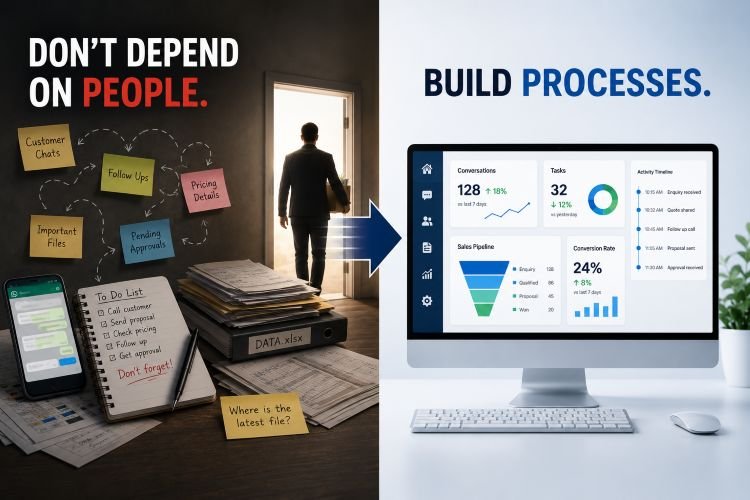

Many people struggle with weight management, not because they lack motivation, but because they lack clarity. It’s easy to underestimate how much we eat or overestimate how much we burn. This is where calorie counting becomes useful. It offers a simple, structured way to understand food intake and build awareness around eating habits.
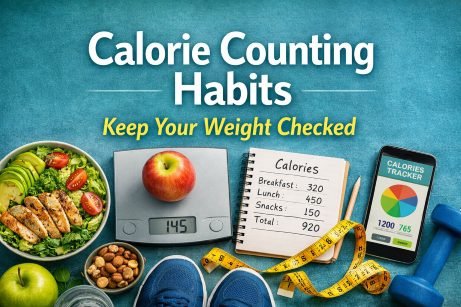
Calorie counting is not about restriction or obsession. When done correctly, it becomes a practical tool that helps people make informed decisions, adjust portion sizes, and create a sustainable path toward weight reduction.
Table of Contents
What Is Calorie Counting?
Calories are units of energy that come from the food and drinks we consume. Our bodies use this energy to perform basic functions like breathing, digestion, and movement.
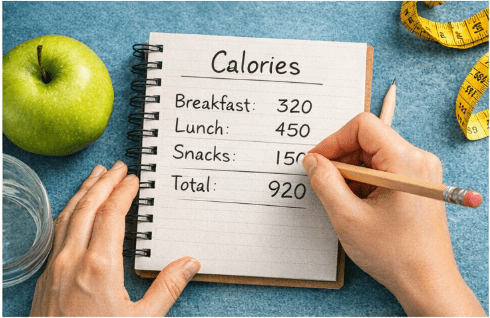
Calorie counting is the practice of tracking how many calories you consume each day. The goal is to ensure that your calorie intake aligns with your body’s needs—especially if you are trying to lose weight.
When you consistently consume fewer calories than your body burns, your body begins to use stored fat for energy. Over time, this leads to weight loss.
Why Calorie Counting Works for Weight Reduction
1. Creates Awareness of Eating Habits
One of the biggest benefits of calorie counting is awareness. Many people eat more than they realize, especially when it comes to snacks, beverages, or large portions.
Tracking calories helps you see patterns. For example, you might discover that late-night snacking or sugary drinks contribute more calories than expected.
2. Encourages Portion Control
Calorie counting naturally leads to better portion control. Instead of eating until you feel overly full, you begin to measure and adjust serving sizes.
This shift helps reduce excess calorie intake without eliminating foods you enjoy.
3. Supports Consistency
Weight loss is not about perfection; it’s about consistency. Calorie counting provides a daily structure that makes it easier to stay on track over time.
Even small adjustments, when maintained consistently, can lead to meaningful results.
4. Helps Identify Hidden Calories
Many foods and drinks contain more calories than expected. Sauces, oils, processed snacks, and beverages can quickly add up.
By tracking intake, you become more mindful of these hidden sources and can make smarter substitutions.
How to Build Effective Calorie Counting Habits
Start with a Realistic Goal
A moderate calorie deficit is more sustainable than extreme restriction. Cutting too many calories can lead to fatigue, cravings, and eventual burnout.
A steady, manageable approach works better for long-term success.
Use Simple Tracking Methods
You don’t need complicated systems. Many people use mobile apps, food journals, or even basic notes to track their intake.
The key is consistency, not perfection.
Focus on Nutrient-Dense Foods
Not all calories are equal in terms of nutrition. Whole foods like fruits, vegetables, lean proteins, and whole grains provide more nutrients and keep you full longer.
This makes it easier to stay within your calorie goals.
Plan Meals in Advance
Planning meals helps reduce impulsive eating. When you already know what you’re going to eat, it’s easier to stay within your calorie target.
It also reduces stress around food choices.
Practical Applications in Daily Life
Eating at Home
Cooking at home gives you full control over ingredients and portion sizes. This makes calorie tracking more accurate and easier to manage.
Eating Out
When dining out, calorie counting becomes less precise but still manageable. Many restaurants provide nutritional information, and portion control strategies—like sharing dishes or avoiding extras—can help.
Snacking Smartly
Snacking is often where extra calories sneak in. Choosing lower-calorie, high-fiber snacks can help you stay satisfied without exceeding your limits.
Mindful Drinking
Beverages can contribute significant calories without providing fullness. Reducing sugary drinks and alcohol can make a noticeable difference.
Benefits Beyond Weight Loss
Calorie counting offers more than just weight reduction. It also helps improve overall eating habits and health awareness.
- Better understanding of food choices
- Improved portion awareness
- More balanced meals
- Greater control over eating patterns
These benefits often continue even after active weight loss ends.
Limitations and Challenges
It Can Feel Time-Consuming
Tracking every meal may feel tedious at first. However, it becomes easier with practice and familiarity.
Not Always 100% Accurate
Estimating portion sizes and calorie values can lead to small inaccuracies. That’s normal and doesn’t significantly affect long-term results.
Risk of Over-Focus
Some individuals may become overly focused on numbers. It’s important to maintain a balanced approach and prioritize overall well-being.
Expert Insights and Common Misconceptions
“All Calories Are the Same”
While calories measure energy, the source matters. Nutrient-rich foods support better health and satiety compared to highly processed options.
“You Must Track Forever”
Calorie counting is often a learning tool. Many people stop tracking once they develop a strong sense of portion sizes and eating habits.
“Fewer Calories Always Means Faster Results”
Extreme calorie restriction can slow metabolism and reduce energy levels. A balanced approach is more effective and sustainable.
Actionable Takeaways
- Start by tracking your current eating habits without judgment
- Aim for a moderate calorie deficit, not extreme restriction
- Prioritize whole, nutrient-dense foods
- Stay consistent rather than perfect
- Adjust your approach based on progress and comfort
Common Mistakes to Avoid
- Skipping meals to “save calories” and then overeating later
- Ignoring liquid calories from drinks
- Relying too heavily on processed “low-calorie” foods
- Expecting immediate results without consistency
- Tracking inconsistently or giving up too early
Frequently Asked Questions
1. Do I need to count calories every day?
Not necessarily. Daily tracking helps build awareness, but over time, many people rely on habits instead of strict counting.
2. How many calories should I eat to lose weight?
This varies based on age, activity level, and body composition. A moderate calorie deficit is generally recommended.
3. Can I eat anything as long as I stay within my calorie limit?
Technically, yes, but focusing on nutritious foods leads to better health and sustained results.
4. Is calorie counting suitable for everyone?
It works well for many people, but not everyone enjoys or benefits from tracking. Alternatives like mindful eating may be more suitable for some.
5. What happens if I go over my calorie limit?
Occasional fluctuations are normal. What matters most is your overall pattern over time.
6. Are calorie-tracking apps necessary?
No, but they can make the process easier and more convenient.
7. How long does it take to see results?
Results vary, but consistent calorie control typically leads to gradual weight changes over weeks.
Conclusion
Calorie counting is a practical and effective habit for those looking to reduce weight in a structured way. It provides clarity, builds awareness, and encourages better decision-making around food.
Rather than treating it as a strict rule system, it works best as a flexible guide. When combined with consistency, balanced nutrition, and realistic expectations, calorie counting can support long-term weight management without unnecessary stress.
My Name is Rohit, a Project Manager working in the Technology Domain. I have written this article based on the experience I had while I practiced Calorie Counting. I was 92 kg, and with a consistent calorie-counting habit, I was able to loose weigh to 86K with in 2 Months. If you plan to practice the same, I would recommend you to consult a doctor or certified professional health guide be fore toy start.
Connect with the team if you have any personal experience to share.